What we've learned deciding.

Short, sourced pieces on how product decisions get made, and what AI changes about them. Written from the work, not from a search result.

Every piece closes with a prompt you can paste into your own AI to try it on the project in front of you.

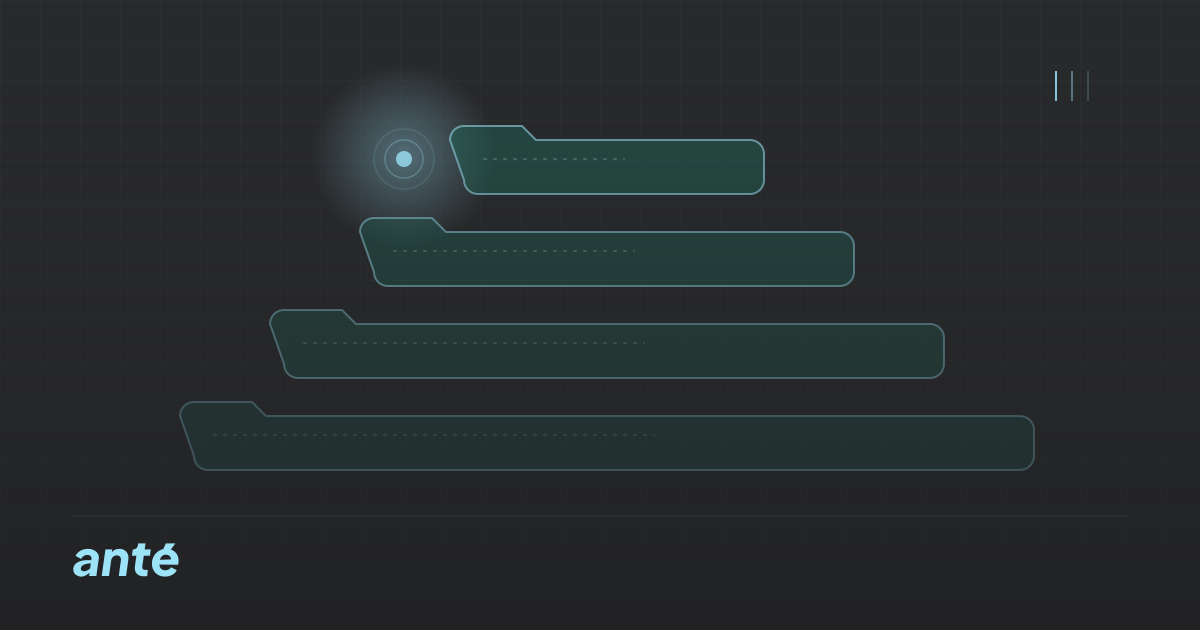
Four stacked layers, from a small top layer to a wide base, drawn as a folder structure. Practice · 02

Agents made simple: build AI agents in plain language, and keep them when the tools change.

You can build an AI agent with plain text, without code. Because your system is just folders and files on your own computer, it keeps working whichever AI you use. The idea in small visual blocks, three worked use cases, a test folder to download, a starter prompt that guides you step by step and the tools around it. In English and Dutch.

Read the piece →

Already published.

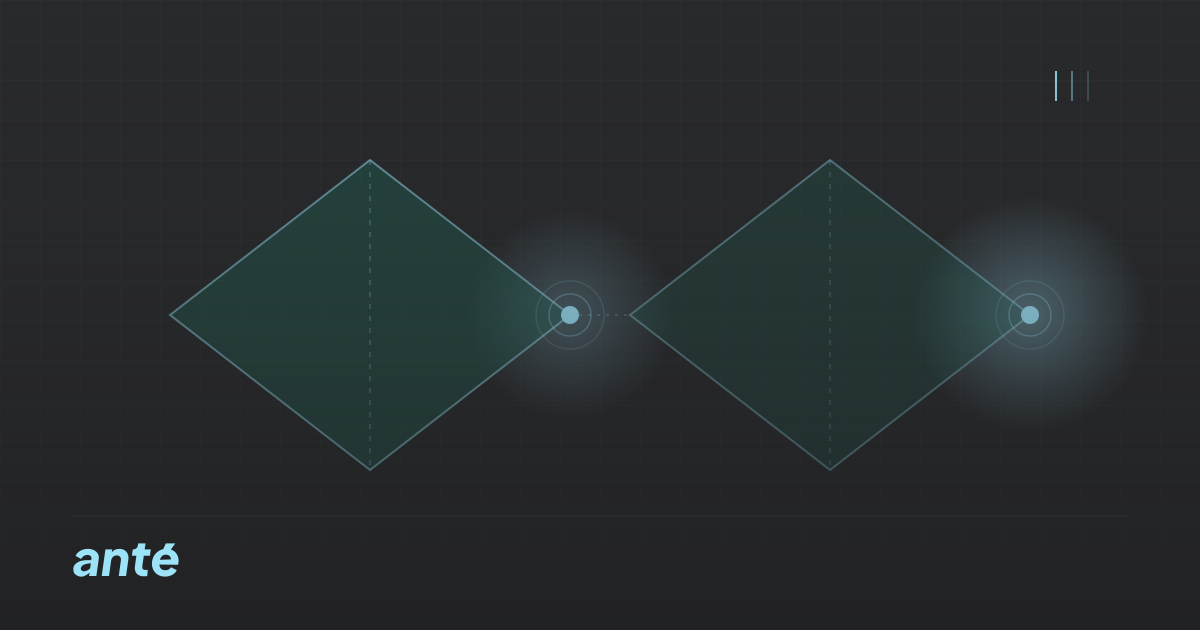
The double diamond, with both of its convergence points marked. Method · 01

The Double Diamond is two decisions, not four phases.

The two points where the diamonds narrow are where the budget is committed, and they are usually the least documented moments in the project.

Read the piece →

What's coming next.

A new piece lands most weeks. Each one takes a finding, a habit or a piece of news about AI in product work, and says what it changes for a team that has to choose a direction.

Get a short summary of each new piece by email →

What AI can and cannot do in design

  • An AI panel can attack a design but it cannot make one
  • What 85 percent means when AI simulates real people

Working with AI without losing your judgement

  • One job per step: why narrow AI tasks beat broad ones
  • Amplifier or substitute: when AI helps thinking and when it replaces it

Using AI at work, in the open

  • Keep an AI-use log: the five things to record
  • What the EU AI Act changes for a team using ChatGPT at work, and what it does not

Teardowns.

We take one AI product apart at a time, with the same five questions. We only judge what anyone can see, and every claim links to its source and date.

  1. What it doesThe product in one sentence, from the user's side.
  2. Where the AI earns its placeThe step it removes or the decision it improves.
  3. Where it doesn'tWhere AI adds a screen, a cost or a risk.
  4. What it gets right, and wrongJudged by how it treats the user, not by the demo.
  5. What we'd ask before building itThe open questions a team should answer first.

The first teardowns are on their way. Follow us on LinkedIn to get each one when it is published.

Three tools, free with your email.

The reading is the argument. These are where you apply it to your own project. Leave your email once and all three open. Your work saves on your own device.

Pressure to do something with AI, and no clear picture yet?

In 30 minutes we look at where you stand, and whether a product definition makes sense for you. Prefer to start on your own? Take the AI Product Check.
Free tools

Open the three tools.

Leave your email and all three tools open right away. We use it to follow up on how the tools work for you, and never share it.

See our privacy policy.